Ending Pandemics Academy at MEZCOPH is Tracking Flu Trends Through Community Data and Innovation
Respiratory virus activity across the United States has risen to high levels, driven primarily by increases in influenza and respiratory syncytial virus (RSV), according to the Centers for Disease Control and Prevention's (CDC) weekly respiratory illness update. Seasonal influenza activity remains elevated nationwide and is expected to continue for several more weeks. Hospital admissions related to flu also increased this week, with 39,945 patients admitted, up from 33,301 the previous week.
Recognizing the annual threat of flu, the Ending Pandemics Academy at the Zuckerman College of Public Health at the University of Arizona is taking a proactive, data-driven approach to tracking influenza trends through Global Flu View (GFV). GFV is a digital platform that visualizes self-reported influenza-like illness (ILI) data from participatory surveillance programs in the United States and select countries across the world. The platform aggregates self-reported illness data from multiple countries, with ongoing efforts to expand coverage to additional regions. By integrating data from diverse participatory disease surveillance systems, GFV demonstrates the growing potential of directly engaging communities to monitor influenza activity in near real time.
Early Detection: GFV Signals Precede Laboratory Confirmation
A recent analysis comparing GFV ILI data—based on self-reported symptoms*—with CDC FluView laboratory-confirmed influenza testing during the 2025-26 season reveals that participatory surveillance can detect flu activity several weeks earlier.
Since the beginning of October 2025, Global Flu View showed a spike in ILI positive reports. This early signal was followed weeks later by a similar trend in lab-confirmed cases from FluView CDC. Despite detecting activity at different times, both systems eventually show similar patterns. By early January 2026, GFV and CDC FluView were tracking flu activity at nearly the same levels. This alignment confirms that both approaches are complementary.
Complementary Surveillance for a Complete Picture
Real-time symptom reporting from individuals complements traditional influenza surveillance methods and provides valuable insights directly to the public. By capturing illness trends from people who may not seek medical care, GFV helps fill critical gaps in conventional health systems that rely primarily on clinical reporting. The strong correlation observed between GFV and CDC data during peak season indicates that self-reported ILI symptoms reliably track with laboratory-confirmed influenza data trends when Flu activity is high. This combined approach provides a more complete and timely picture of flu activity, supporting earlier detection and more informed public health decision-making.
Visual Representation of ILI Activity
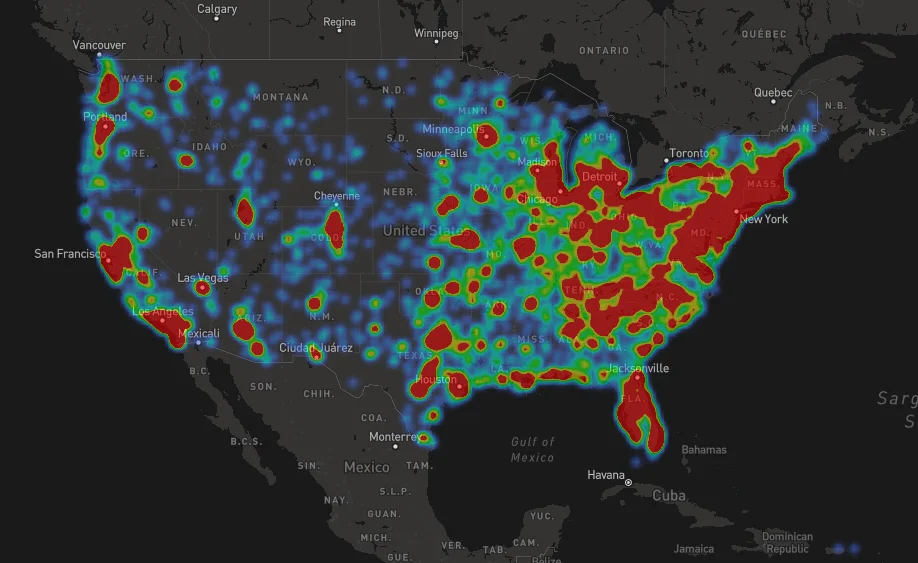
Heat map showing influenza-like illness activity from Week 40 2025 to Week 3 2026 on Global Flu View
About Global Flu View
Global Flu View is part of the Ending Pandemics Academy at the Mel and Enid Zuckerman College of Public Health, University of Arizona. What started as an innovative initiative to make participatory surveillance data widely accessible has grown into a successful program that serves both public health professionals and the broader community. Beyond its public health impact, Global Flu View creates valuable learning opportunities for students to work with real-world disease surveillance data. Through this hands-on experience, students develop practical skills in digital epidemiology while contributing to research and practice that makes a real difference in public health.